Cartagena de Indias does not need an introduction, but it does need an explanation. Because it is a city that can disappoint you if you arrive without context, and it can completely surprise you if you know where to look.
Not all the historic center is the same. Not all beaches are the same. And the heat is not negotiable, but there are ways to handle it better than others.
This guide is organized so that you can put together your own tour without missing out on what is worth it and without wasting time on what is not.
The historic center: where to start and what not to skip
The historic center of Cartagena has been a World Heritage Site since 1984. That says it all about its historical weight, but it says nothing about how to live it.
The best time to walk downtown is early in the morning, before 10:00 am, when the sun still doesn’t press and the streets have a silence that disappears with the tours. The Plaza de Bolívar, surrounded by palm trees and colonial buildings, is the most logical starting point. From there you will walk to the Cathedral of Saint Catherine of Alexandria, the Palace of the Inquisition and the Zenú Gold Museum.
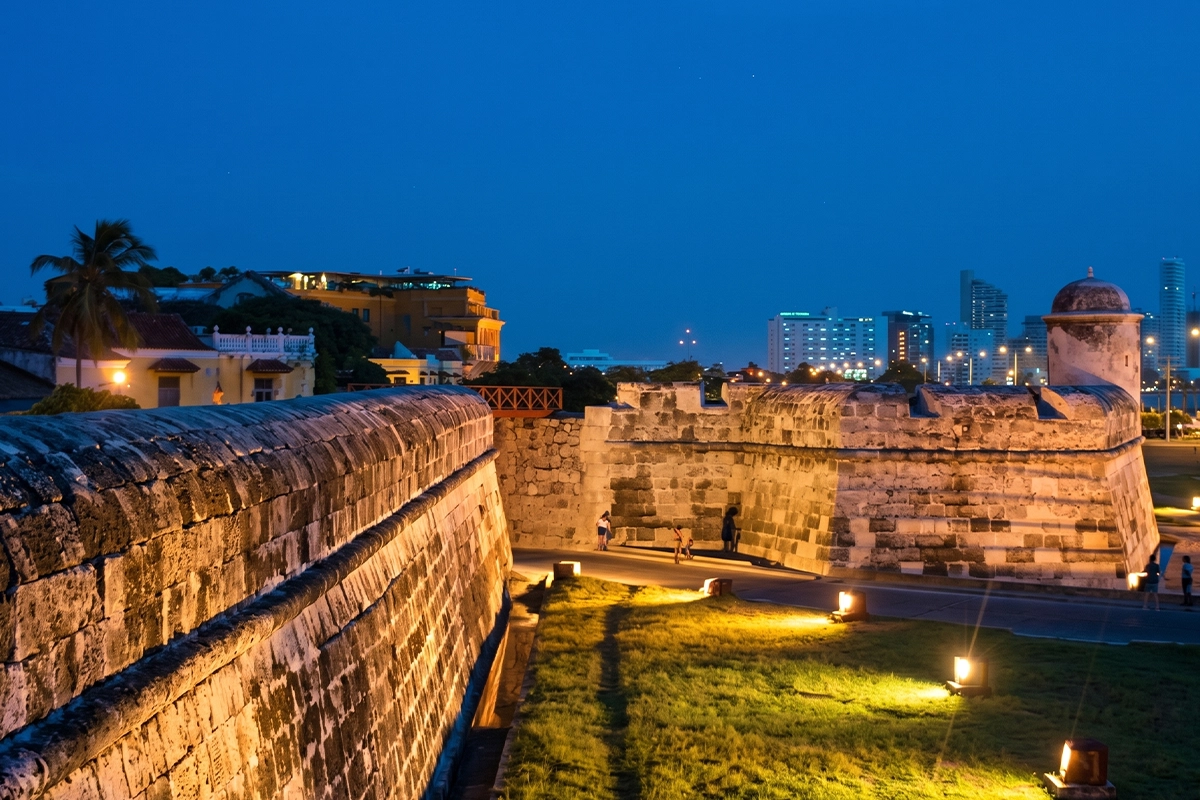
The walls that surround the center have several sections accessible on foot. The sector of the bastion of Santo Domingo, overlooking the sea, is one of the most photographed. At sunset, the walls are filled with locals and tourists who go to see the sun falling over the Caribbean. It is one of those moments that costs nothing and that is remembered for a long time.
The Getsemaní neighborhood deserves a separate mention. For years it was the neighborhood that tourists avoided. Today it has some of the best restaurants in the city, murals of urban art that cover entire facades and more authentic energy than the rest of the center. The Plaza de la Trinidad, its heart, is the place where Cartagena gathers for beer in the afternoon.
The beaches: what they are, how to get there and what to expect
Bocagrande has the most accessible beach in Cartagena. Long, with street vendors, music, chairs and tents, and the parallel walking boardwalk. It is not the quietest beach, but it is the most complete in services. From the Hotel Regatta Cartagena, which is in front of this beach, access is immediate.
The Rosario Islands are the quintessential beach destination for those who want clearer water and less noise. The boat leaves the Bodeguita dock, about 20 minutes from Bocagrande, and the journey takes between 45 minutes and an hour. Tours leave early in the morning and return in the afternoon. Most include snorkeling, island lunch and stop at the San Martin Aquarium. It is recommended to book in advance in high season.
Playa Blanca, on Barú Island, also leaves from the tourist pier. It is longer and less developed than those of the Rosary, with calm waters and very fine sand. The drawback is the number of street vendors, which can be overwhelming in high season. There are rustic lodging options for those who want to sleep.
Manzanillo del Mar and La Boquilla are quieter and cheaper alternatives, a few kilometers from Bocagrande. Local fishermen offer canoe rides between the nozzle mangroves, which is a different experience than any standard tour.
The Castle of San Felipe: How to visit without becoming an obligation
The Castle of San Felipe de Barajas is the largest colonial military fortress in America. That may sound like a school manual data, but when one is standing at the top of the structure, looking at Cartagena from above, it makes another direction.
The visit lasts between one and two hours. The internal tunnels are well preserved and can be traveled. Official guides are available at the entrance and make the difference between seeing stones and understanding what happened there. The best time to go is in the early morning or after 4:00 pm, when the sun goes down and the temperature is more reasonable.
It is in the neighborhood of San Lázaro, about 10 minutes by taxi from Bocagrande.
Gastronomy: What to eat in Cartagena
The Cartagena kitchen has ingredients that are not available in the interior of the country with the same freshness. The fish that arrives that day, the coconut that enters almost everything, the sweet chili that does not chop but gives flavor, the patacon that accompanies without discussion.
The dishes that define the city are coconut rice, seafood casserole, shrimp ceviche and fish sancocho. The Regatta Cartagena hotel restaurant works with this kitchen and serves breakfast from 6:30 am, making it a practical option before any excursion.
For more elaborate experiences, the Getsemaní neighborhood and the downtown sector have restaurants that combine local ingredients with more modern techniques. Cartagena’s gastronomic offer has grown a lot in recent years and already has proposals that do not ask for envy from other cities in the country.
Popular markets, such as the Bazurto market, are for those who want to see the city without a filter. It is not a tour site, it is where people who live in Cartagena buy. There are fruits, fresh fish, street food and a constant noise that is part of the experience.
Nightlife and entertainment
Cartagena has several rhythms at night depending on what you are looking for.
The historic center has bars and restaurants that close late, especially in Plaza de Santo Domingo and the surrounding streets. Live music, cumbia and salsa appear frequently in these spaces. There are also discos on the walls that mix electronic music with a view of the sea.
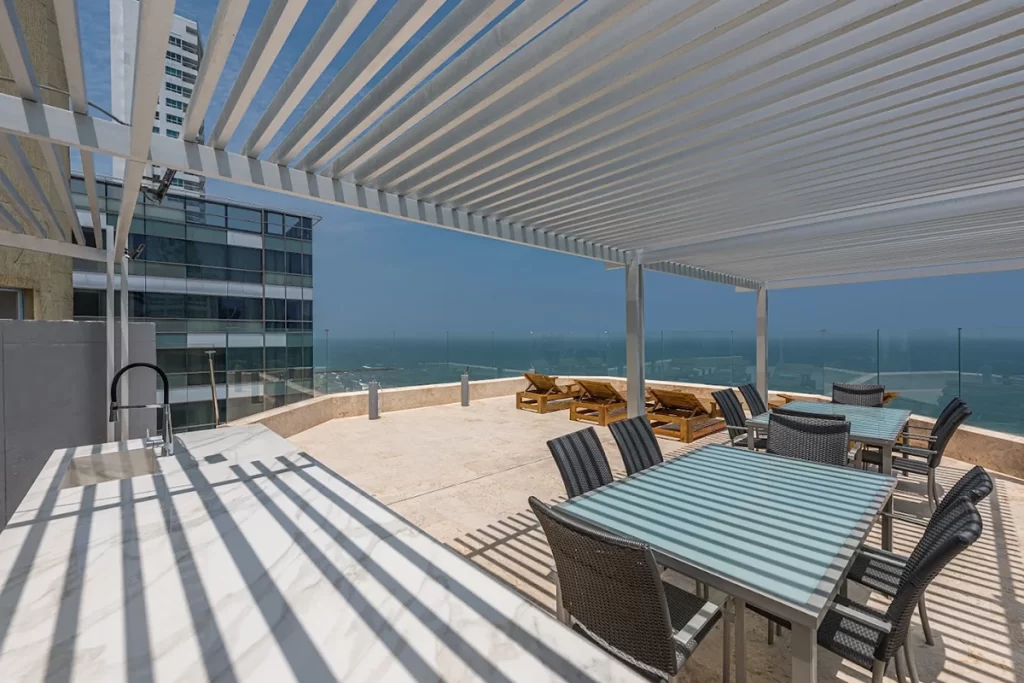
Bocagrande has its own offer of bars and restaurants with a terrace, more oriented to those who prefer to stay close to the hotel. The Bar Terrace of the Hotel Regatta operates until 10:00 pm and is a natural starting point for the night.
The Laguito, the most exclusive area of Bocagrande, has some of the most atmosphere of the city, especially on weekends.
When to go to Cartagena: seasons and what each one implies
Cartagena is a destination all year round, but there are more comfortable moments than others.
The dry season runs from December to April. It is preferred by international tourists and Colombians who travel on vacation. Prices go up, hotels fill up and beaches have more people. The advantage is the weather: less rain, more breeze, clearer skies.
From May to November there is more rain, but it is not continuous rain. In Cartagena, the downpours are usually short and intense, and then the sun returns. Prices drop considerably and the city is moving at another pace, more local and less touristy.
The Cartagena International Music Festival and the Hay Festival (both in January) fill hotels and restaurants. If you travel on those dates, the reservation in advance is not optional.
How to move inside Cartagena
Taxis are the most practical way to get around Bocagrande and the historic center. The journey costs between 8,000 and 15,000 pesos according to the schedule and the previous negotiation. They do not have a taximeter, so it is best to agree on the price before going up.
Transportation apps like InDriver operate in Cartagena with more transparent fees.
Transcaribe articulated buses connect Bocagrande with the center at a lower cost. The route is direct and frequent, although with less comfort than a taxi.
For the islands and external beaches, tours organized from the tourist docks are the simplest option. Prices vary depending on the destination and what the package includes.
Frequently asked questions about what to do in Cartagena
How many days are needed to get to know Cartagena? Three days allow you to see the historic center, visit a beach or island and get to know the local gastronomy. Five days allow you to go slower and explore without trouble. For short two-day trips, the most efficient thing is to combine the center in the morning with beach in the afternoon.
Is it safe to walk through the historic center of Cartagena? The walled historic center and Bocagrande are the safest sectors for tourists. Getsemaní has improved a lot and is safe during the day and at nights with movement. As in any city, it is recommended not to show valuables and be attentive to the environment.
Can you visit the Rosario Islands in one day? Yes. Day tours from Cartagena leave in the morning and return in the afternoon. It is enough to see the archipelago, snorkel and eat on the island.
What is the best area to stay in Cartagena? It depends on the type of trip. Bocagrande offers direct access to the beach, full services and good connection with the center. The Hotel Regatta Cartagena, located in front of the sea in Bocagrande, is a solid option for those who want that combination.
How expensive is Cartagena for a tourist? Cartagena can be as economical or as expensive as you decide. The high-end restaurants and tours have prices comparable to other tourist cities on the continent. Local transportation, food and beach options are considerably cheaper.
Can you visit Cartagena with children? Yes. The beaches, the islands, the Castle of San Felipe and the horse carriage rides around the center are activities that work well for families with children of different ages.
Where to stay to make better use of the city
The choice of the hotel greatly determines the pace of the trip. Staying in Bocagrande with access to the beach and easy connection to the center is the most practical combination for most travelers.
The Hotel Regatta Cartagena, on Malecón Avenue facing the sea, covers that balance: a beach, a restaurant with a Caribbean kitchen, a bar with a terrace and rooms for different profiles, from couples to families of four.
Reservations can be managed directly at www.hotelregattacartagena.com Or by WhatsApp to +57 313 611 9004.